SPHERES, inc.

📧 info@spheresphinc.com
📍 Bulacan, Philippines
· SEC Reg. No. 2026050252284-48
JPARAP: How Korea and the UN Are Reducing Teen Pregnancy in Eastern Visayas | SPHERES, Inc.

JPARAP: How Korea and the UN Are Reducing Teen Pregnancy in Eastern Visayas

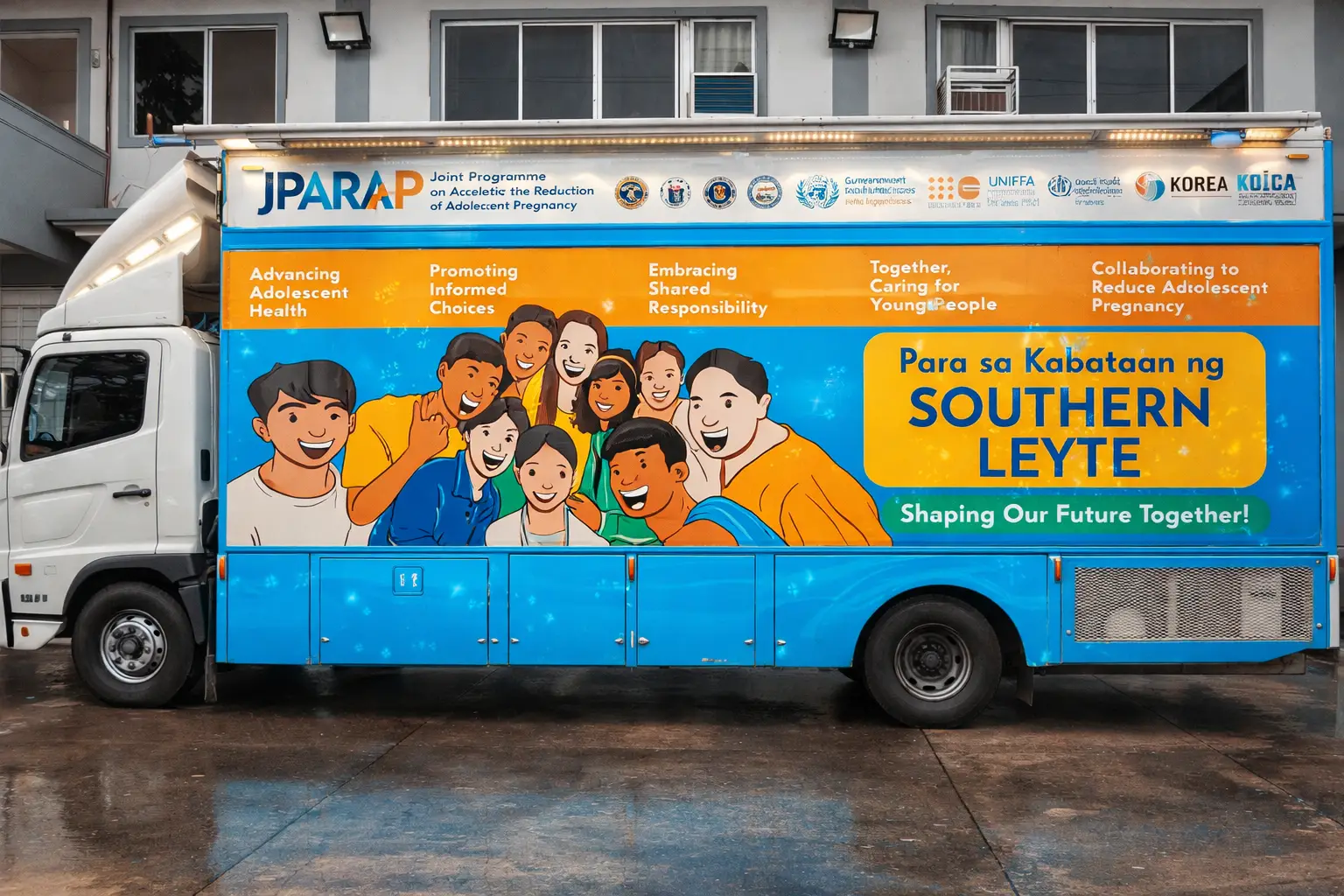
TrucKABATAAN mobile health clinic for adolescents in Eastern Visayas Philippines

Adolescent pregnancy is one of the most persistent and consequential public health challenges in the Philippines. Despite a national decline in prevalence from 14.4 percent in 2013 to 7.2 percent in 2021, the country still records 32 births per 1,000 women aged 15 to 19, placing it among the highest in Southeast Asia. In 2023 alone, more than 140,000 Filipinas aged 10 to 19 gave birth. In the provinces of Samar and Southern Leyte in Eastern Visayas, the burden has historically been far above the national average. It is in this context that the Joint Programme on Accelerating the Reduction of Adolescent Pregnancy (JPARAP) was launched in 2022, bringing together the resources of the Korean government, three United Nations agencies, and local partners in one of the most targeted and well-documented adolescent health interventions in Philippine history.

Background: Why Eastern Visayas, and Why Now

The provinces of Samar and Southern Leyte in Region 8, Eastern Visayas, have long faced compounding disadvantages that contribute to high adolescent pregnancy rates. Both provinces are among the Philippines' most typhoon-prone areas. Poverty rates are significantly higher than the national average. Access to sexual and reproductive health services, especially in rural and island communities, is severely limited. Health workers are understaffed and underfunded. And social and cultural norms around early marriage and motherhood remain deeply embedded in many communities.

The problem is not new. In 2019, the Philippine government officially declared addressing adolescent pregnancy a national priority. In Southern Leyte, the adolescent birth rate at the time of programme design stood at 35.8 births per 1,000 girls aged 15 to 19, well above the national average. In Samar, the rate was even higher at 38.1 per 1,000, with the province entering the JPARAP with greater socioeconomic challenges and less developed health infrastructure than its southern neighbor.

Super Typhoon Odette, which struck Eastern Visayas in December 2021, further exposed the vulnerability of adolescents in the region. The post-Odette period revealed a sharp increase in teen pregnancy statistics that alarmed health officials and development partners alike.

JPARAP was conceptualized because after Typhoon Odette, we found out through the statistics that the teenage pregnancy is high.
Dr. Feliciano John Matibag, Provincial Health Officer II, Southern Leyte

It was against this backdrop that KOICA and the UN agencies identified Eastern Visayas as the ideal location for a concentrated, multi-agency, multi-year effort to demonstrate that adolescent pregnancy can be meaningfully reduced through evidence-based, rights-centered programming.

The Programme at a Glance

PHP 490M
Total programme budget funded by the Republic of Korea through KOICA
29%
Decline in adolescent birth rate in Southern Leyte within 22 months of implementation
70%
Increase in modern contraceptive use among young people in Samar
1,800+
Adolescents reached by the TrucKABATAAN mobile health clinics since 2022

JPARAP runs from 2022 to 2026. It is funded entirely by the Republic of Korea through KOICA and is jointly implemented by three UN agencies working in the Philippines: UNFPA as the lead agency, UNICEF, and WHO. The programme operates across 10 municipalities in Southern Leyte and 10 municipalities in Samar, covering a population that is among the most underserved in the country in terms of reproductive health services and adolescent-friendly care.

The programme was formally launched on November 21, 2022, when KOICA signed a four-year partnership agreement with UNFPA, UNICEF, and WHO in Manila, witnessed by UN Resident Coordinator Gustavo Gonzalez. The agreement was the largest single Korean ODA investment in Philippine adolescent health to date.

Programme Partners and Their Roles

JPARAP is a genuinely multi-agency programme in which each organization brings distinct technical capabilities and institutional relationships. The division of responsibilities reflects the comparative advantage of each agency.

Funder
KOICA (Korea International Cooperation Agency)
Provides the full PHP 490 million funding through the Government of the Republic of Korea. KOICA's Country Director in the Philippines, Kim Eunsub, has been the primary Korean government representative in programme governance. KOICA has also been a vocal advocate for the passage of a national adolescent pregnancy prevention law, jointly calling for its passage in August 2024 alongside the UN agencies.
Lead UN Agency
UNFPA (United Nations Population Fund)
Serves as the Administrative Agent and lead implementing agency for JPARAP. UNFPA leads on sexual and reproductive health service delivery, comprehensive sexuality education, and youth leadership and governance programming through the Expanded Youth Leadership and Governance Programme (EYLGP). UNFPA is responsible for overall programme coordination, financial management, and reporting to KOICA.
Implementing UN Agency
UNICEF (United Nations Children's Fund)
Leads on adolescent health service delivery for children under 18, comprehensive sexuality education in schools, and community engagement activities. UNICEF also manages the TrucKABATAAN mobile health clinic initiative in both provinces and provides technical support for child protection aspects of the programme.
Implementing UN Agency
WHO (World Health Organization)
Leads on health system strengthening, facility readiness, and health worker capacity building. WHO manages the Performance Accountability System (PAS) component, which supports the DOH Center for Health Development in Eastern Visayas, the Provincial Health Offices of Samar and Southern Leyte, and local government health offices in strengthening accountability mechanisms for adolescent health.
Government Partners
Department of Health and Local Government Units
The DOH Center for Health Development Region 8, the Provincial Health Offices of Samar and Southern Leyte, and the provincial and municipal local government units are the primary government counterparts. The programme works directly with Sangguniang Kabataan (Youth Council) structures, governors' offices, mayors' offices, and local legislative councils to build governance and accountability for adolescent health at the subnational level.

Programme Components and Key Activities

JPARAP is structured around three mutually reinforcing programmatic outcomes that reflect the complexity of adolescent pregnancy as both a health and a social issue.

Outcome 1
Improving Access to Quality Information and Services
Equipping health service providers, educators, youth leaders, and local officials with the knowledge and resources to support adolescents in making informed decisions about sexual and reproductive health. This includes upgrading health facilities to provide adolescent-friendly services, training health workers in adolescent-responsive care, and deploying mobile health services through TrucKABATAAN to reach remote communities.
Outcome 2
Raising Adolescents' Self-Awareness and Rights
Empowering young people through comprehensive sexuality education, peer support, and community engagement. This includes training peer educators, supporting Sangguniang Kabataan leaders through the Expanded Youth Leadership and Governance Programme (EYLGP), and enabling young people to actively participate in planning and implementing projects and policies that affect them.
Outcome 3
Strengthening Governance and Policy Implementation
Addressing legal and sociocultural barriers to adolescent sexual and reproductive health services and enhancing governance and policy implementation. This includes supporting LGUs to issue executive orders and resolutions legitimizing adolescent health programs, increasing local budget allocations for adolescent health, and advocating for national legislation including the Adolescent Pregnancy Prevention Bill.

The TrucKABATAAN Mobile Health Clinics

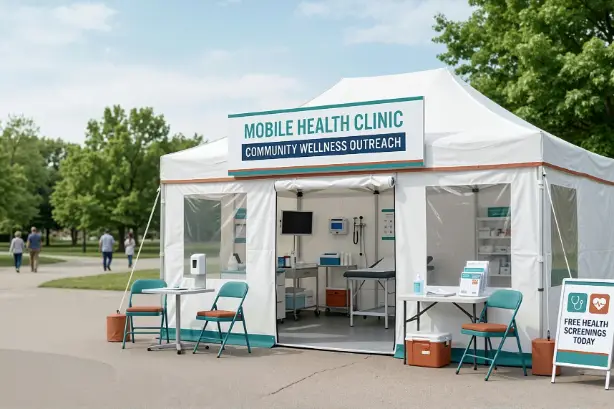
One of the most visible and innovative elements of JPARAP is the TrucKABATAAN initiative. On May 16, 2024, at a ceremony in Tacloban attended by Western Samar Governor Sharee Ann Tan and KOICA Country Director Kim Eunsub, two mobile health facilities were turned over to the provincial governments of Samar and Southern Leyte. The mobile clinics are equipped to deliver free adolescent-friendly health services including counseling, reproductive health consultations, and preventive care directly to remote communities that would otherwise have no practical access to these services.

The name TrucKABATAAN combines the Filipino word "truck" with "kabataan," meaning youth, signaling that the programme brings health services to where young people are rather than requiring them to navigate a health system not designed with their needs in mind. Since the launch of the mobile clinics in 2022, they have collectively reached more than 1,800 adolescents across the two provinces.

The Expanded Youth Leadership and Governance Programme

UNFPA's flagship contribution to JPARAP is the Expanded Youth Leadership and Governance Programme (EYLGP), which invests in the capacity of young people themselves to lead local action on adolescent health. Through EYLGP, Sangguniang Kabataan leaders are trained to articulate young people's concerns within local governing bodies, including youth development councils and legislative bodies. The programme builds skills in policy advocacy, data use, community organizing, and health communication. EYLGP sessions have directly contributed to increased local budget allocations for adolescent health, as trained youth leaders present evidence-based proposals to mayors and governors that result in concrete financial commitments.

The Performance Accountability System

WHO leads the Performance Accountability System (PAS) component, which provides technical assistance to the DOH Center for Health Development in Eastern Visayas and to the provincial and municipal health offices participating in JPARAP. The PAS supports the establishment and operation of accountability structures, ensures that local health data on adolescent pregnancy is collected and used for decision-making, and facilitates the engagement of provincial and municipal LGU officials in sustaining adolescent health investments beyond the programme period. WHO has issued solicitations for institutional contractual partners to support PAS implementation across both provinces.

Results and Achievements to Date

As of October 2025, JPARAP has documented significant results, particularly in Southern Leyte where implementation began earlier and baseline conditions allowed for faster gains.

Southern Leyte
29% decline
Adolescent birth rate dropped from 35.8 to 25.4 births per 1,000 girls aged 15 to 19 within just 22 months of programme implementation. The province is now on track to exceed the 2026 target of 21 births per 1,000 if the current pace is maintained. Local budgets for adolescent health more than doubled, from PHP 3.8 million in 2022 to PHP 6.6 million in 2024, with PHP 48.6 million projected for 2025.
Samar
5% decline
Adolescent birth rate decreased from 38.1 to 36.1 per 1,000 in the 10 participating municipalities within 23 months of implementation. Modern contraceptive use surged by 70 percent over the same period. Local government budgets for adolescent health increased more than sixfold, from PHP 6 million in 2022 to PHP 45.7 million in 2025, one of the most significant governance achievements of the programme.

The difference in the rate of decline between the two provinces reflects their different starting conditions. Samar entered JPARAP with higher baseline rates and greater socioeconomic challenges, including more limited health infrastructure and greater geographic complexity. Nevertheless, the sixfold increase in Samar's local health budget allocation is a structural achievement that outlasts any single programme cycle and signals a genuine shift in local government prioritization of adolescent health.

Across both provinces, 80 percent of local government units reported more young people using modern contraception. Local bodies are meeting monthly to review adolescent health data, and evidence-based policies are being adopted with greater frequency and speed than before the programme began. The EYLGP Colloquium, held in August 2025 in both provinces, brought together local leaders, government officials, youth representatives, and UN partners to document and celebrate two years of programme achievements.

In Southern Leyte, the adolescent birth rate of 25.4 per 1,000 in 2024 already represents progress that places the province on track to exceed its 2026 target of 21 per 1,000, two years ahead of schedule if the current pace is maintained. This is a documented public health success in a province that was historically among the most affected by adolescent pregnancy in the Philippines.

The Advocacy Dimension: Calling for a National Law

JPARAP is not only a service delivery programme. It is also a policy advocacy platform. On August 13, 2024, following the commemoration of International Youth Day, KOICA and the UN agencies in the Philippines issued a joint call for the urgent passage of the Adolescent Pregnancy Prevention Bill in the Philippine Congress.

The bill had already been approved by the House of Representatives at the time of the joint call, but its progress in the Senate had stalled. The proposed legislation aims to provide a comprehensive national framework for preventing adolescent pregnancies, ensuring access to education and health services, and establishing accountability mechanisms across government agencies.

Adolescent pregnancy is not just a health issue, but a social and economic one as well. This bill will help us address the root causes of adolescent pregnancy, including lack of access to education and health services.
Gustavo Gonzalez, UN Resident Coordinator in the Philippines
We assure you of KOICA's continuing support and commitment not only for better health and well-being, but also a brighter future for young Filipinos.
Kim Eunsub, KOICA Country Director in the Philippines

The joint advocacy reflects a deliberate programme design choice to go beyond service delivery and address the policy environment that sustains adolescent pregnancy. Rights-based policies alongside community-based care and evidence-informed interventions are treated by JPARAP as equally essential components of a comprehensive response.

As of mid-2025, the Adolescent Pregnancy Prevention Bill remains pending in the Senate. The JPARAP partners continue to advocate for its passage, using programme data from Samar and Southern Leyte as concrete evidence of what sustained investment in adolescent health can achieve.

Programme Timeline

December 2021
Super Typhoon Odette Strikes Eastern Visayas
Post-disaster assessment reveals sharp increase in teen pregnancy statistics in Samar and Southern Leyte. The typhoon exposes the extreme vulnerability of adolescents in the region and galvanizes development partner interest in a targeted programme.
November 21, 2022
JPARAP Partnership Agreement Signed
KOICA signs a four-year partnership agreement worth approximately PHP 490 million with UNFPA, UNICEF, and WHO in Manila. The programme is placed under the auspices of UN Resident Coordinator Gustavo Gonzalez. Samar and Southern Leyte are confirmed as the target provinces.
2022 to 2023
Programme Launch and Initial Implementation
Field operations commence across 10 municipalities in Southern Leyte and 10 municipalities in Samar. Health worker training, comprehensive sexuality education, and youth leadership activities begin. Baseline data collection confirms adolescent birth rates of 35.8 per 1,000 in Southern Leyte and 38.1 per 1,000 in Samar.
May 16, 2024
TrucKABATAAN Mobile Clinics Turned Over
Two adolescent-friendly mobile health facilities are handed over to the provincial governments of Samar and Southern Leyte at a ceremony in Tacloban attended by Western Samar Governor Sharee Ann Tan and KOICA Country Director Kim Eunsub. The mobile clinics begin serving remote communities with free adolescent-friendly health services.
August 13, 2024
Joint Call for Adolescent Pregnancy Prevention Law
KOICA and UN agencies issue a joint call for the urgent passage of the Adolescent Pregnancy Prevention Bill in the Philippine Congress. The statement is released on International Youth Day and draws attention to the stalled bill in the Senate.
August 2025
EYLGP Colloquium and Two-Year Results
The EYLGP Colloquium is held in both provinces in August 2025, bringing together local leaders, government officials, youth representatives, and UN partners. Key achievements are documented and celebrated. Southern Leyte reports a 29 percent decline in adolescent birth rates within 22 months.
October 2025
Mid-Implementation Results Published
UNFPA, UNICEF, and WHO publish a joint news release documenting programme achievements in both provinces. Results include the 29 percent decline in Southern Leyte, the 5 percent decline in Samar, the 70 percent increase in modern contraceptive use in Samar, and the sixfold increase in Samar's local health budget for adolescents.
2026
Programme Completion
JPARAP is scheduled to conclude in 2026. The programme's 2026 target is to bring the adolescent birth rate in Southern Leyte to 21 per 1,000. A midline evaluation was commissioned in late 2025 and early 2026 to assess progress and identify course corrections for the final implementation period. An independent final evaluation will be conducted at programme close.

Lessons for Philippine Public Health Practice

JPARAP offers several lessons that are directly relevant for health practitioners, program designers, and consulting organizations working in Philippine public health.

Multi-Agency Joint Programmes Can Outperform Single-Agency Models

The structure of JPARAP, with UNFPA leading on youth empowerment and reproductive health, UNICEF on education and child-focused services, and WHO on health system strengthening and accountability, allows the programme to address the full complexity of adolescent pregnancy in a way that no single agency could achieve alone. This model of joint programming leverages the distinct technical identity and field network of each agency while avoiding duplication.

Governance and Budget Advocacy Are Programmatic Outcomes

The most durable result of JPARAP may not be the direct service statistics but the transformation in local government prioritization. The sixfold increase in Samar's adolescent health budget from PHP 6 million to PHP 45.7 million, driven by youth leaders trained through the EYLGP, demonstrates that investing in governance and advocacy alongside service delivery produces results that outlast the programme itself.

Mobile and Community-Based Service Delivery Reaches Where Facilities Cannot

TrucKABATAAN demonstrates that the barriers to adolescent health service access in rural Philippines are often logistical and cultural rather than purely financial. Mobile clinics that bring services to communities, branded and designed specifically for young people, can overcome the stigma and distance barriers that prevent adolescents from attending fixed health facilities.

Disaster Recovery Contexts Create Entry Points for Long-Term Programming

The post-Typhoon Odette context was a direct catalyst for JPARAP's design and geographic focus. Health development partners should treat post-disaster periods not only as humanitarian response moments but as programmatic entry points for addressing structural vulnerabilities that disasters expose and amplify.

Data Is the Foundation of Political Will

The JPARAP partners' decision to use programme data from Samar and Southern Leyte as the evidence base for their joint advocacy for the Adolescent Pregnancy Prevention Bill demonstrates the importance of embedding rigorous data collection in programme design from the start. Evidence generated through the programme has become a national advocacy asset.

What Comes After 2026

JPARAP is scheduled to conclude in 2026, and a midline evaluation commissioned by UNFPA in late 2025 will inform the final phase of implementation and close-out planning. The programme's end date does not mean that the work ends. The deliberate investment in local government capacity, budget advocacy, and youth leadership is designed specifically to ensure that the gains made between 2022 and 2026 are institutionalized in provincial and municipal systems that will continue operating independently.

Whether the Adolescent Pregnancy Prevention Bill advances through the Philippine Senate in 2025 or 2026 will also significantly affect the long-term sustainability of the programme's achievements. A national legislative framework would embed the programme's approaches in law, require government agencies to allocate resources for adolescent pregnancy prevention, and create enforcement mechanisms that extend far beyond what any donor-funded programme can achieve.

For organizations and practitioners working in reproductive health, youth health, and community-based programming in the Philippines, JPARAP represents both a model and a mandate. Its documented results in two of the country's most challenging provinces demonstrate that meaningful progress on adolescent pregnancy is achievable within a single programme cycle when the right combination of funding, multi-agency partnership, youth leadership, and governance investment is brought to bear.

Sources and References

  1. United Nations Philippines. Korea, UNFPA, UNICEF, and WHO Sign Four-Year Partnership to Reduce Adolescent Pregnancy. November 21, 2022. philippines.un.org.
  2. UNFPA Philippines. Joint Programme on Accelerating the Reduction of Adolescent Pregnancy (JPARAP). philippines.unfpa.org. Accessed June 2025.
  3. UNFPA Administrative Agent. Accelerating the Reduction of Adolescent Pregnancy in Southern Leyte and Samar in the Philippines. aa.unfpa.org. Accessed June 2025.
  4. UNFPA Philippines. Eastern Visayas Makes Strides in Reducing Adolescent Pregnancy by Strengthening Youth Leadership and Governance through UN Joint Efforts. October 20, 2025. philippines.unfpa.org.
  5. UNFPA Philippines. Empowering Young People to Lead Local Actions for Health, Rights, and Well-Being. October 17, 2025. philippines.unfpa.org.
  6. UNFPA Philippines. Prioritizing Adolescent Health Through Youth-Friendly Facilities. April 13, 2026. philippines.unfpa.org.
  7. UNFPA. Midline Evaluation of the UNFPA-UNICEF-WHO Joint Programme on Accelerating the Reduction of Adolescent Pregnancy in Southern Leyte and Samar in the Philippines. Job posting for evaluation consultants. November 2025. unfpa.org.
  8. UNICEF Philippines. The Philippines, KOICA, UN Agencies Launch 2 Mobile Health Clinics to Reduce Adolescent Pregnancies in Samar, Southern Leyte. May 16, 2024. unicef.org/philippines.
  9. UNICEF Philippines. KOICA, United Nations Call for an Adolescent Pregnancy Prevention Law in PH. August 13, 2024. unicef.org/philippines.
  10. UNFPA Philippines. KOICA, United Nations Call for an Adolescent Pregnancy Prevention Law in PH. August 13, 2024. philippines.unfpa.org.
  11. United Nations Philippines. KOICA and United Nations Call for an Adolescent Pregnancy Prevention Law in the Philippines. August 13, 2024. philippines.un.org.
  12. WHO Philippines. Eastern Visayas Makes Strides in Reducing Adolescent Pregnancy by Strengthening Youth Leadership and Governance through UN Joint Efforts. October 20, 2025. who.int/philippines.
  13. WHO Western Pacific. Bringing Youth-Friendly Health Services Closer: How TrucKABATAAN Enables Young People in Eastern Visayas to Stay Healthy. December 5, 2025. who.int/westernpacific.
  14. Philippine News Agency. Teen Pregnancies in Eastern Visayas Drop via Youth Leadership. October 20, 2025. pna.gov.ph.
  15. WHO Philippines. Notice of Vacancy: Technical Specialist for the Joint Programme on Accelerating the Reduction of Adolescent Pregnancy in Southern Leyte and Samar 2023 to 2026 (JPARAP). October 2024. cdn.who.int.
  16. UN Global Marketplace. Performance Accountability System (PAS) Platform for the Joint Programme on Accelerating the Reduction of Adolescent Pregnancy (JPARAP) in Southern Leyte and Samar in the Philippines. Tender Notice 208849. ungm.org.
  17. Philippine Statistics Authority. 2021 National Demographic and Health Survey. psa.gov.ph. 2022.
  18. UNFPA Philippines. 9th Country Programme 2024 to 2028. philippines.unfpa.org. 2024.