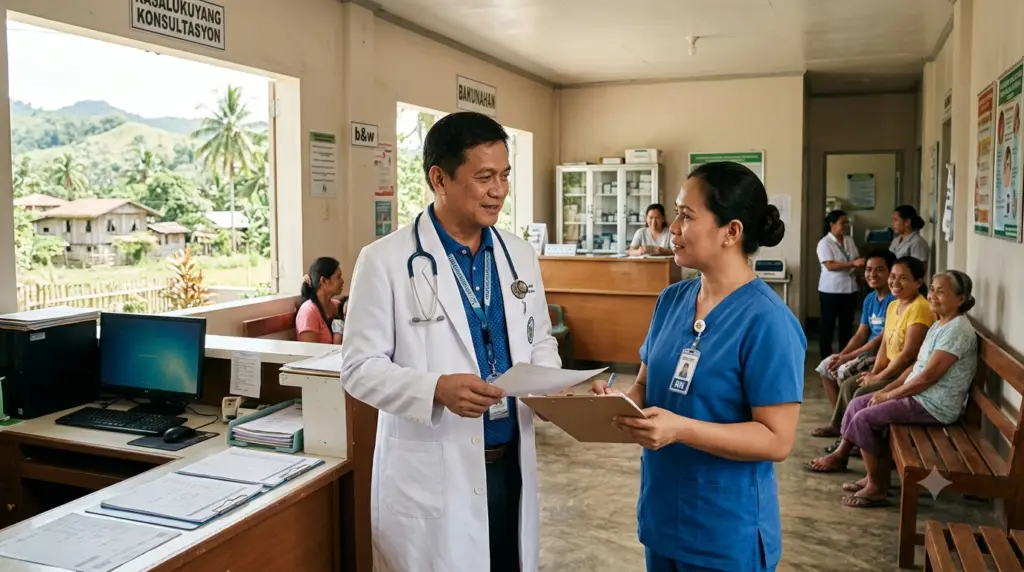
When a woman or child survives violence or abuse in the Philippines, the path to help is rarely simple. A Women and Children Protection Unit (WCPU) is designed to change that. Housed inside government hospitals, these units bring medical care, psychosocial support, legal documentation, and referral services under one roof so that survivors do not have to navigate multiple agencies on their own.
A WCPU is a specialized facility established within government hospitals to provide comprehensive, multidisciplinary services to women and children who are victims of violence, abuse, and exploitation. It is not a police station or a courthouse. It is, first and foremost, a health facility designed to meet survivors where the physical evidence of harm is most immediate and where trauma-informed care can begin.
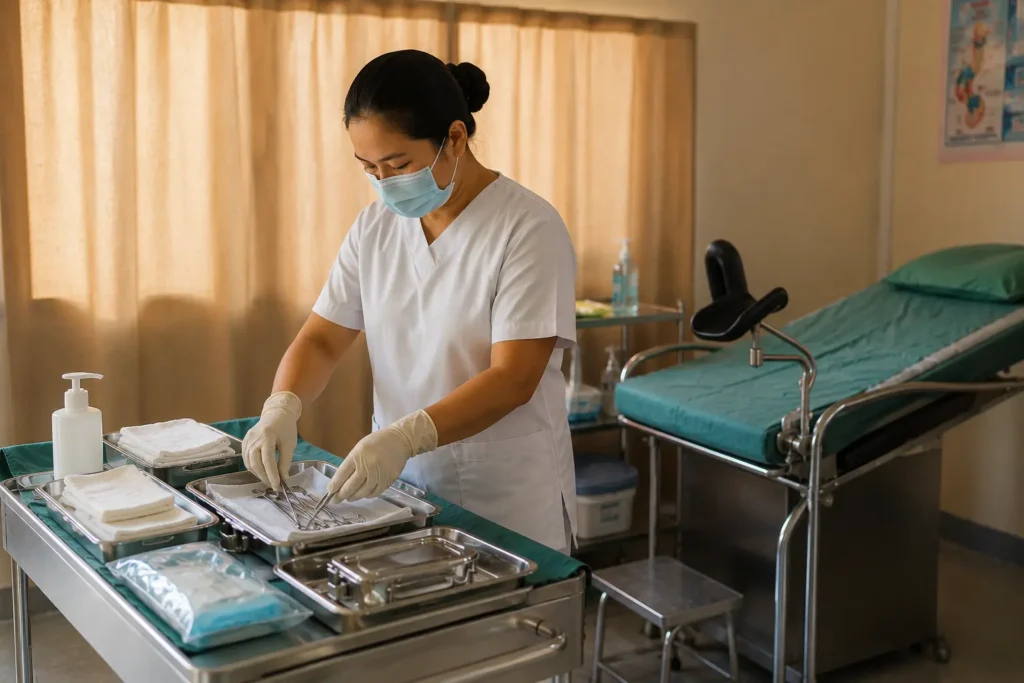
The Department of Health (DOH) first mandated the creation of WCPUs through Administrative Order 1-B in 1997. That policy was later updated and strengthened under DOH Administrative Order No. 2013-0011, which set revised standards for the establishment of WCPUs across all government hospitals. Each unit is required to be located near or adjacent to the hospital's emergency room so that survivors who arrive in crisis can be attended to immediately.
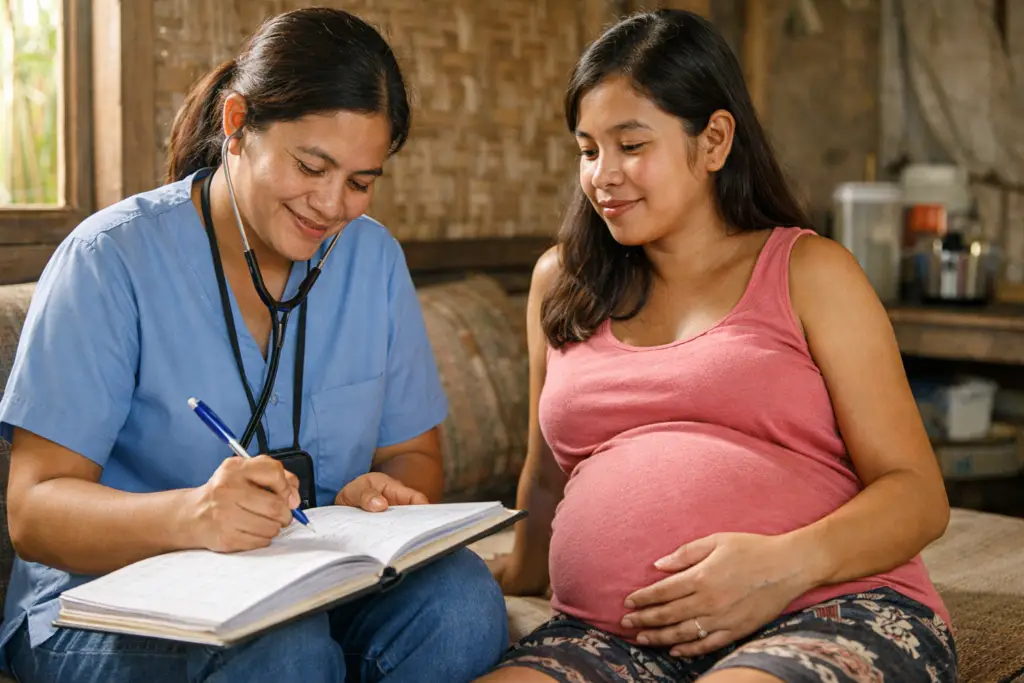
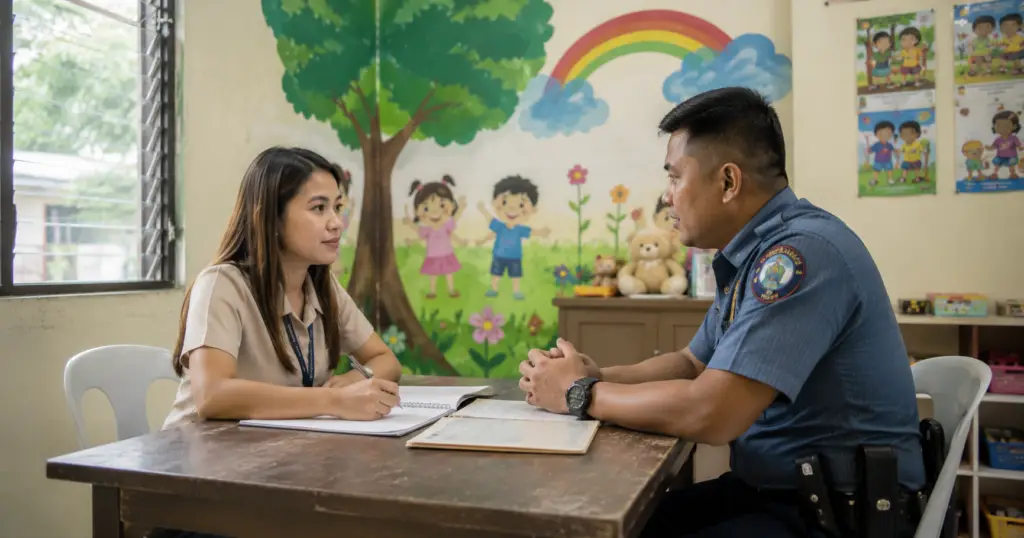
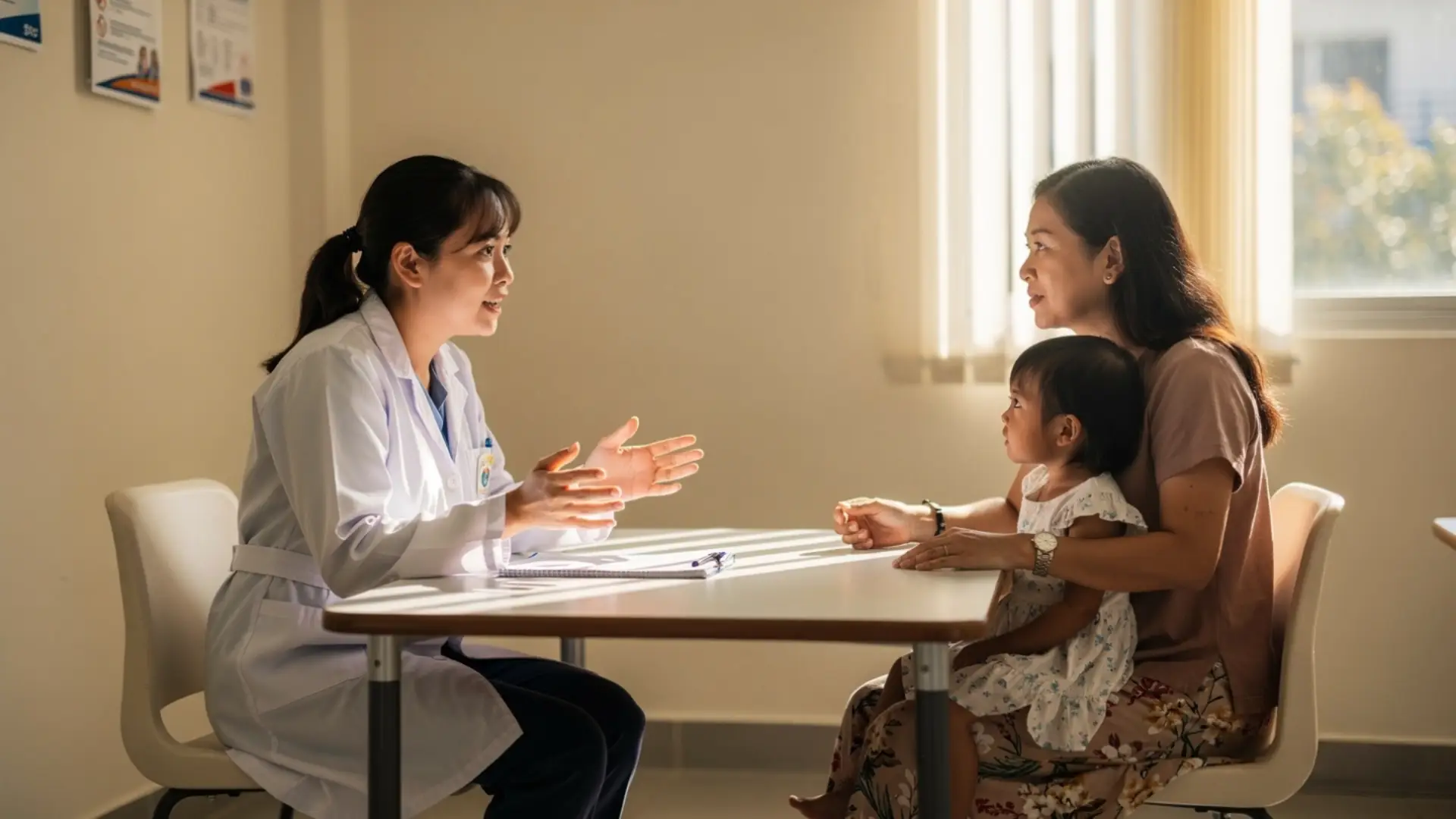
Each WCPU is staffed by a multidisciplinary team that typically includes trained physicians, social workers, mental health professionals, and police officers, all of whom have completed specialized training in handling cases involving women and children. This team structure is central to the WCPU model. Abuse and violence affect survivors across multiple dimensions at once: a physical injury, a trauma response, a legal complaint, and a need for safety planning often all exist in the same moment. Having all these services coordinated in one space reduces the burden on the survivor and helps prevent retraumatization from having to recount the same experience to multiple agencies in different locations.
WCPUs serve a wide range of clients. These include women of any age who have experienced any form of abuse or violence, children and adolescents who are victims of physical, sexual, or emotional abuse, individuals at risk of exploitation or neglect, and the guardians or parents of minor victims. Teachers, barangay officials, health workers, and other mandated reporters who suspect a case of abuse may also bring cases to a WCPU for assessment and appropriate response.
Services at WCPUs in DOH-retained hospitals are provided through a socialized scheme, meaning they are accessible regardless of a patient's ability to pay. Section 40 of the Implementing Rules and Regulations (IRR) of Republic Act (RA) 9262, the Anti-Violence Against Women and Their Children Act of 2004, explicitly mandates that health programs through WCPUs be delivered in this way. This makes the WCPU one of the few points in the Philippine health system where a survivor can access integrated care without facing a financial barrier at the door.
The service package at a WCPU is organized around five core areas, each reflecting a distinct need that survivors typically present with.
| Service Area | What It Covers |
|---|---|
| Medical and Surgical Care | Physical examination, treatment of injuries, and documentation of clinical findings for legal purposes |
| Psychological and Mental Health Support | Psychological first aid (PFA), trauma counseling, and mental health assessment |
| Social Work Services | Case documentation, safety planning, coordination with the Department of Social Welfare and Development (DSWD), and assessment of social needs |
| Legal Assistance | Support for filing complaints, assistance with protection orders, and coordination with the Public Attorney's Office (PAO) or the Integrated Bar of the Philippines (IBP) |
| Referral and Networking | Linkages to shelters, livelihood support, barangay Violence Against Women and Children (VAWC) desks, and other government and non-government services |
Hospitals that have a trained team but not yet a dedicated physical space may operate as Women and Children Protection Desks (WCPDs), which serve as intake and referral points while a full unit is being established. WCPDs do not have the same infrastructure as a WCPU but still provide an important first point of contact for survivors in areas where full units are not yet operational.
All case records at a WCPU are treated as strictly confidential, consistent with the legal protections established under RA 9262 and related laws. Survivors are entitled to privacy at every stage of the process.
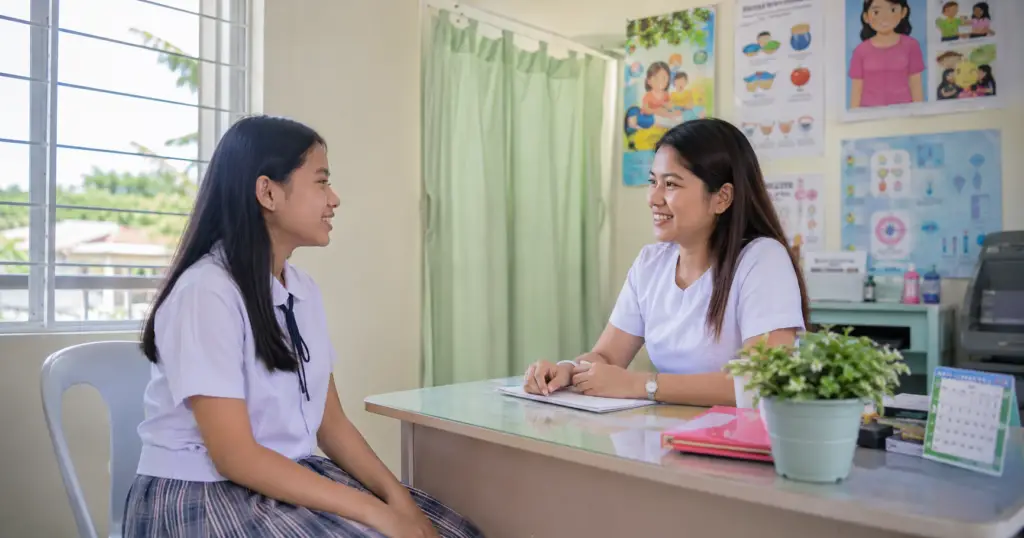
A survivor who arrives at a WCPU, whether on their own or with a referral from a barangay official, health worker, or police officer, is received by the administrative officer on duty. The first step is registration: the administrative officer gives the survivor a registration slip to fill out and attaches it to the patient's chart together with the appropriate forms. Where the survivor is a child, the administrative officer secures consent from the parent or legal guardian. For children 12 years old and above, assent is also secured directly from the child. If a child arrives accompanied by a non-relative, the WCPU social worker signs the consent form.
The administrative officer then conducts an intake interview with the adult female victim, or with the parent or legal guardian in the case of an alleged child abuse victim, to verify information and gather relevant details. The survivor is informed of the procedure that will take place during the medical evaluation before it begins.
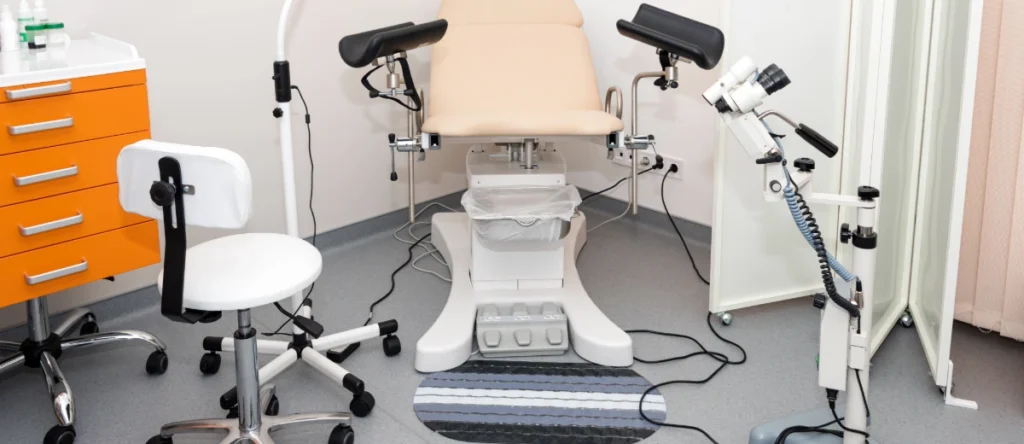
Following intake, the WCPU physician conducts the medico-legal evaluation and issues a medico-legal certificate. The physician may also refer the survivor to a test specialist to screen for trauma indicators and administer PFA. If indicated, the test specialist will further refer the survivor to a partner psychologist or psychiatrist. The WCPU social worker conducts an immediate safety assessment and determines what additional social welfare interventions are needed. After all evaluations are complete, the administrative officer releases the medico-legal certificate to the survivor or guardian, and schedules follow-up appointments as recommended by the physician, social worker, or test specialist.
For survivors who cannot travel to a hospital, barangay VAWC desks and Philippine National Police (PNP) Women and Children Protection Desks serve as the first point of contact at the community level. From there, cases are referred to the nearest WCPU when a more comprehensive response is needed.
Survivors are not required to file a police report before accessing medical or psychosocial services at a WCPU. Seeking care at the unit does not automatically trigger a legal process. Survivors retain the right to decide whether and when to pursue legal action.
WCPUs do not exist in isolation. They are embedded in a layered legal framework that mandates protection for women and children across multiple points of contact in the Philippine system.
RA 9262, the Anti-Violence Against Women and Their Children Act of 2004, is the most directly relevant law. It defines the forms of violence covered, establishes the legal mechanisms for protection orders, and explicitly mandates health services through WCPUs. RA 7610, the Special Protection of Children Against Abuse, Exploitation and Discrimination Act, provides the broader framework for child protection and requires a comprehensive response to all forms of child maltreatment. RA 8353, the Anti-Rape Law of 1997, and RA 8505, the Rape Victim Assistance and Protection Act, further shape the services that WCPUs provide to survivors of sexual violence, including the conduct of medico-legal examinations and the preparation of expert testimony for court proceedings.
RA 11930, the Anti-Online Sexual Abuse or Exploitation of Children (OSAEC) and Anti-Child Sexual Abuse or Exploitation Materials (CSAEM) Act of 2022, also directly involves WCPUs. Section 78 of its IRR, signed in May 2023, mandates that WCPUs — alongside the DOH, the Department of Education (DepEd), and local government units (LGUs) — make available recovery, rehabilitation, and reintegration services to child victim-survivors of OSAEC and CSAEM. The IRR further outlines a reporting and case-filing process that connects mandatory reporters at the community level through law enforcement agencies up to the prosecution. Barangay VAWC desks are recognized as valid reporting points under this framework, following a recommendation made at the June 2025 Child and Adolescent Protection Council meeting of the Department of the Interior and Local Government (DILG).
At the institutional level, the Inter-Agency Council on Violence Against Women and their Children (IACVAWC) provides policy coordination across agencies, while the DOH's Disease Prevention and Control Bureau holds primary responsibility for the technical and operational support of WCPUs nationwide. The Child Protection Network (CPN) Foundation, a non-government organization, has played a foundational role in establishing WCPUs in both DOH-retained and LGU-supported hospitals and in training multidisciplinary teams across the country. A Memorandum of Agreement between CPN and the IBP also supports the provision of legal assistance for women and children seen at WCPUs.
As of December 2025, the CPN's downloadable WCPU directory lists 162 WCPUs and VAWC desks located in 70 provinces and 10 independent cities across the Philippines. The Philippine General Hospital (PGH) in Manila remains the model facility, with its Child Protection Unit serving as a reference point for hospital-based multidisciplinary care since the early years of the WCPU program.
Coverage, however, remains uneven. WCPUs are concentrated in urban and regional centers, while geographically isolated and disadvantaged areas, particularly in parts of Mindanao and remote island provinces, continue to face significant access gaps. In some locations, WCPUs exist on paper but lack the dedicated space, trained personnel, or equipment needed to function at full capacity. A 2026 UNICEF Philippines report on the Wao District Hospital in Lanao del Sur noted that the WCPU established there in 2025 was temporarily housed inside the OB-GYNE office, limiting the privacy and focused care that survivors require.
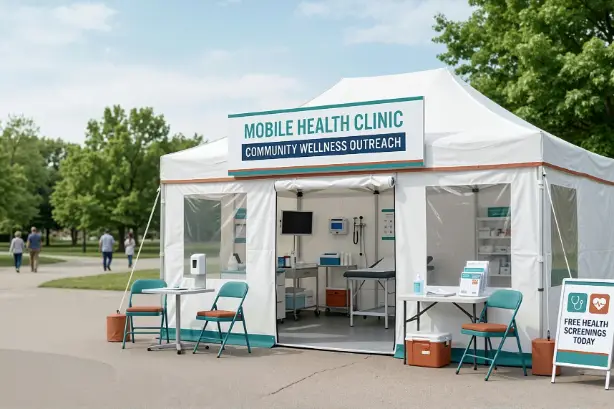
To address geographic barriers, the Australian Government and UNICEF Philippines launched tele-WCPUs in Kapalong and Nabunturan in Davao del Norte in 2023. These facilities allow women and children in remote communities to report violence and access protection services by call or text, connecting them with the regional hospital's WCPU team without requiring physical travel. This model is being studied for broader replication.
At the legislative level, Senator Loren Legarda filed Senate Bill (SB) No. 2401 in the 19th Congress, titled the Women and Children Protection Units Act of 2023, to institutionalize the establishment of WCPUs in all government hospitals through a dedicated law rather than through administrative orders alone. As of this writing, the bill remains pending in the Senate.
The CPN maintains an updated WCPU directory covering all known units and VAWC desks across the country. The December 2025 edition is the most current national reference for locating a WCPU near you.
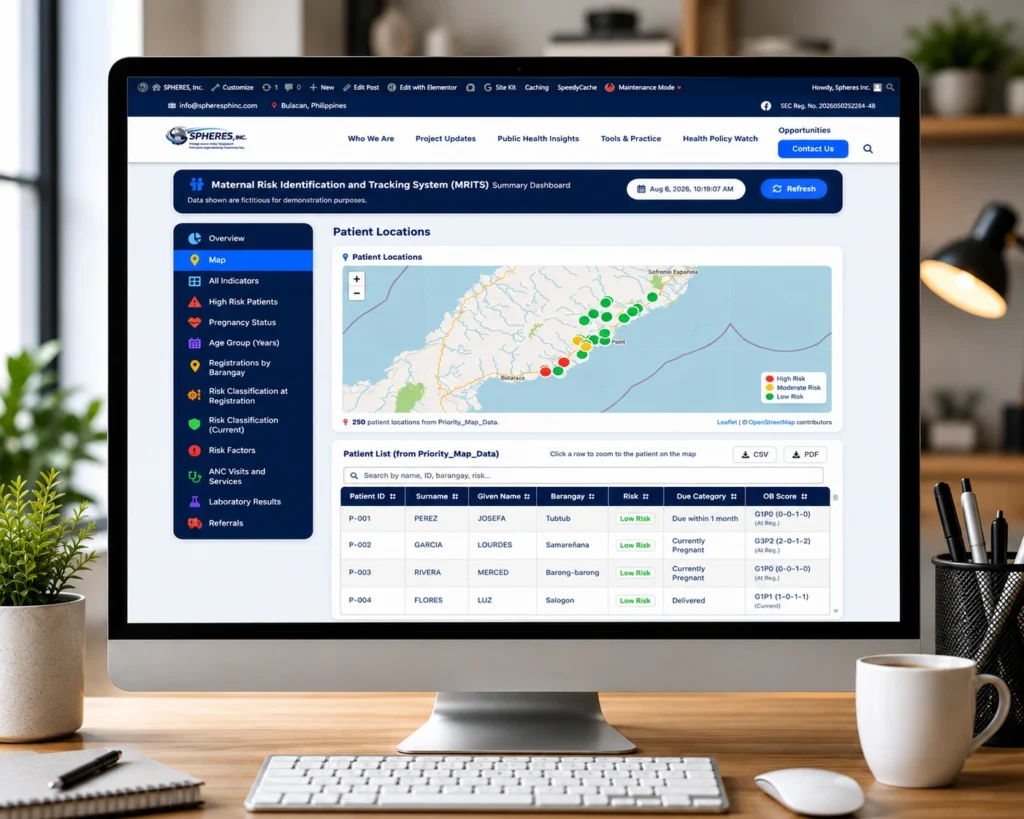
SPHERES provides technical assistance for the design, monitoring, and evaluation of public health programs, including gender-based violence response systems and WCPU strengthening initiatives. Reach out to our team to explore how we can support your work.
Get in touch