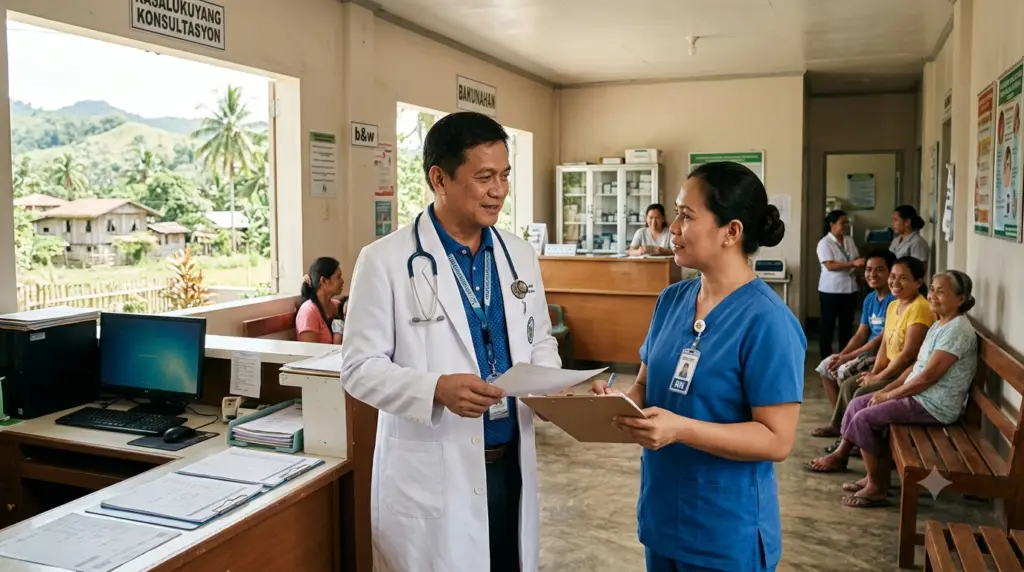
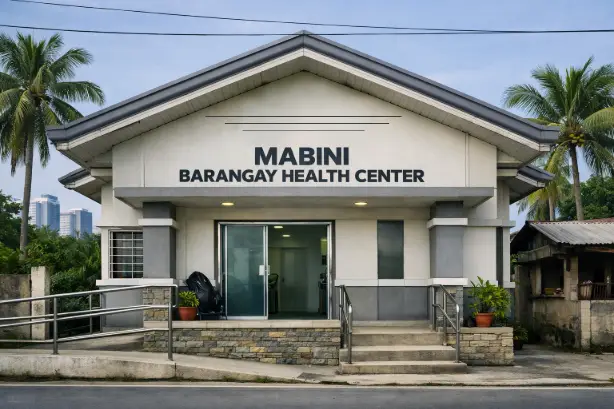
Most Filipinos have a barangay health center or rural health unit within reach. Many do not know what it actually offers. Free consultations, vaccines, prenatal care, family planning services, basic medicines, and a direct pathway into the PhilHealth system are all available at the primary care level, at no cost or very low cost, to anyone who walks in. This guide explains the structure of the primary health care system, what each facility and health worker does, and what you are legally entitled to access.
The Philippine health system operates across three levels of care. The primary level is the entry point, the first place a person should go when they need health services. It consists of Barangay Health Stations (BHSs), Rural Health Units (RHUs), and city or municipal health centers. These facilities handle prevention, health promotion, early diagnosis, and the treatment of common conditions. They also serve as the referral gateway to hospitals at the secondary and tertiary levels.
The administration of primary health care was transferred from the national government to local government units (LGUs) through Republic Act (RA) 7160, the Local Government Code of 1991. Under this arrangement, provinces, cities, and municipalities are responsible for operating and funding BHSs and RHUs within their jurisdiction, while the Department of Health (DOH) sets national policy, technical standards, and program guidelines. This means the quality and availability of primary care services can vary across localities, but the legal mandate to provide them does not.
Under the Universal Health Care (UHC) Act, or RA 11223, enacted in 2019, all Filipinos are automatically enrolled as PhilHealth members, and every PhilHealth member is entitled to register with a primary care provider for outpatient benefits under the Yaman ng Kalusugan Program (YAKAP). RHUs are among the most widely accredited YAKAP clinics in the country, making them the most accessible entry point for PhilHealth-covered primary care for most Filipinos.
| Facility | Level | Managed By | Primary Function |
|---|---|---|---|
| Barangay Health Station (BHS) | Primary | Barangay and municipal/city government | First contact point; basic services delivered by BHWs under RHU supervision |
| Rural Health Unit (RHU) / City Health Center | Primary | Municipal or city government | Full range of primary care services; supervises all BHSs in the municipality |
| District or Provincial Hospital | Secondary | Provincial government | Referral facility for cases beyond primary care capacity |
| Regional or Tertiary Hospital | Tertiary | DOH or LGU | Specialized and complex care; receives referrals from lower levels |
The Rural Health Unit is the main public health facility at the municipal level. It is headed by a Municipal Health Officer (MHO), who is a licensed physician, and staffed by public health nurses, rural health midwives, medical technologists, sanitary inspectors, and support personnel. The recommended staffing ratio is one RHU per 20,000 population, though in practice this varies significantly by location.
Services at the RHU are organized around the core functions of primary health care: preventive, promotive, curative, and rehabilitative care. The following services are part of the standard RHU mandate under the Local Government Code and DOH program guidelines.
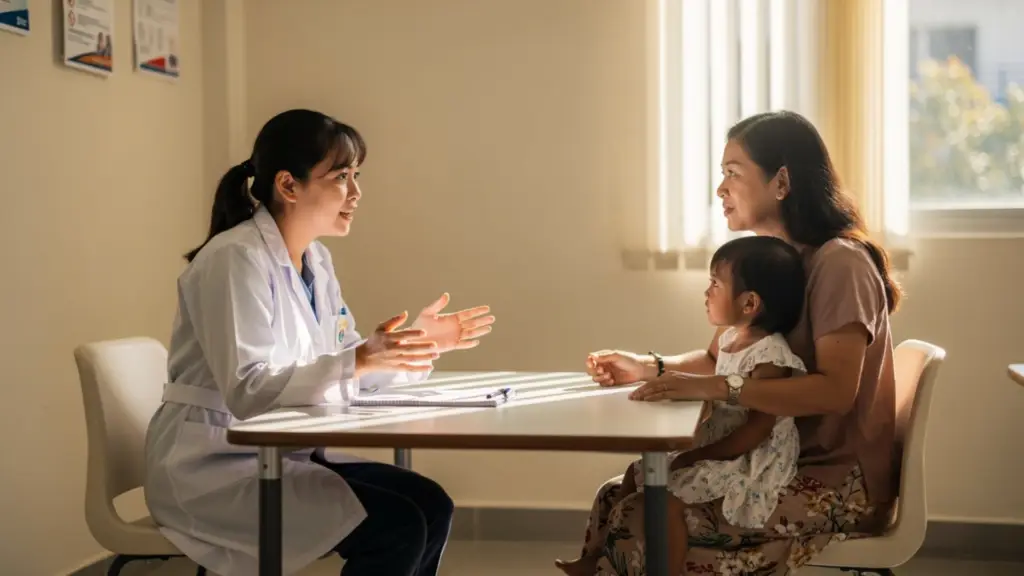
RHUs provide general medical consultations for common illnesses and conditions. Patients who are enrolled in YAKAP at their RHU may access unlimited consultations at no out-of-pocket cost for the duration of their enrollment year. Patients not yet enrolled in YAKAP may still access consultations, typically at minimal or no cost depending on the LGU's policies.
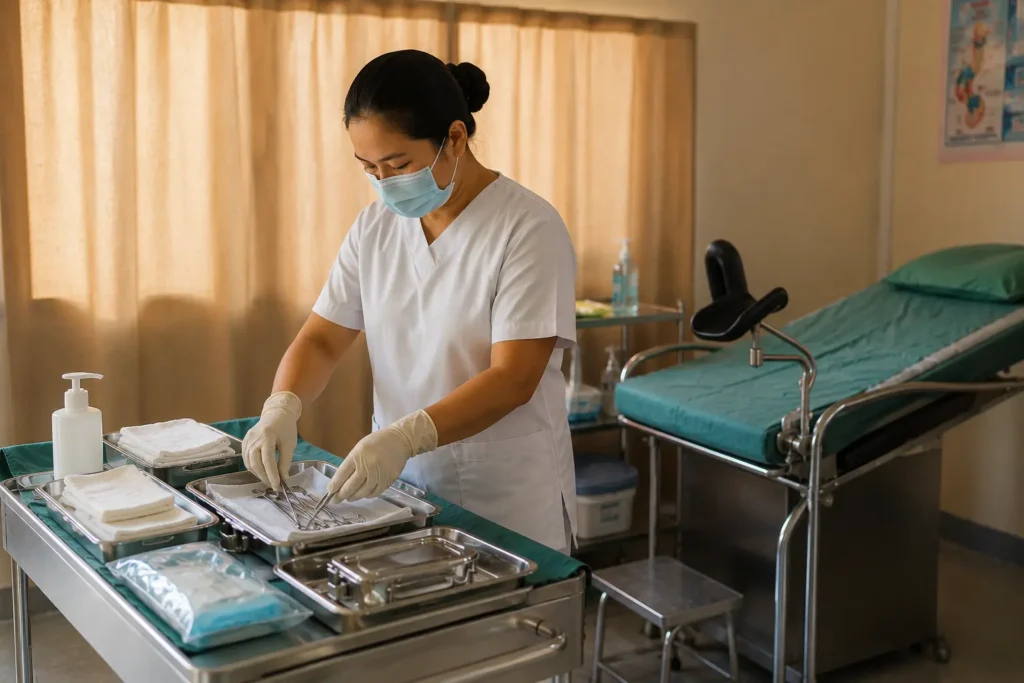
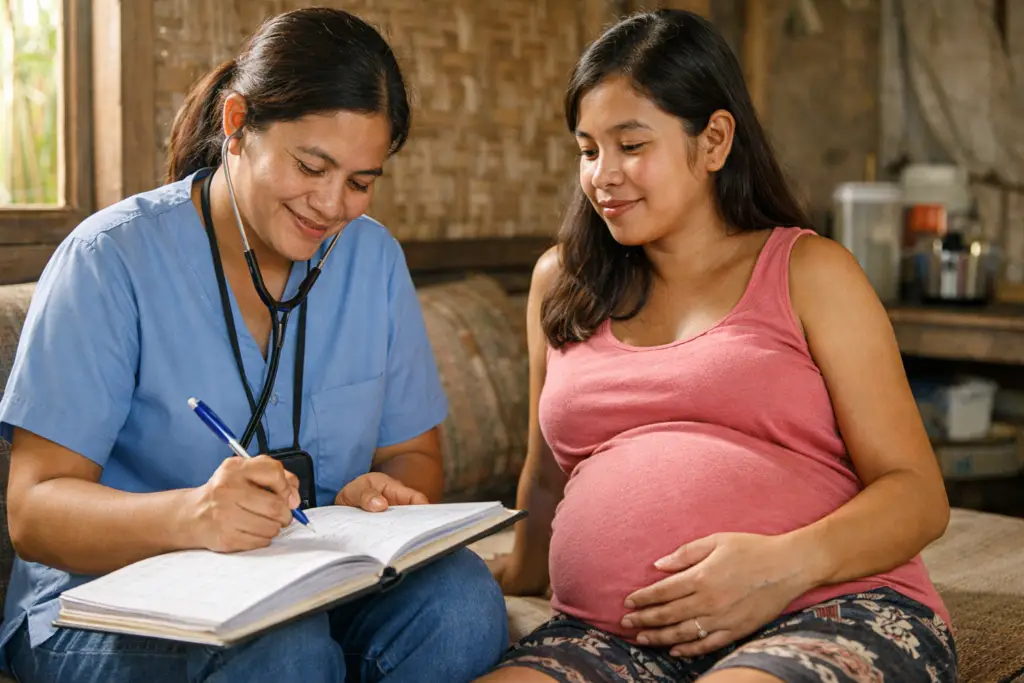
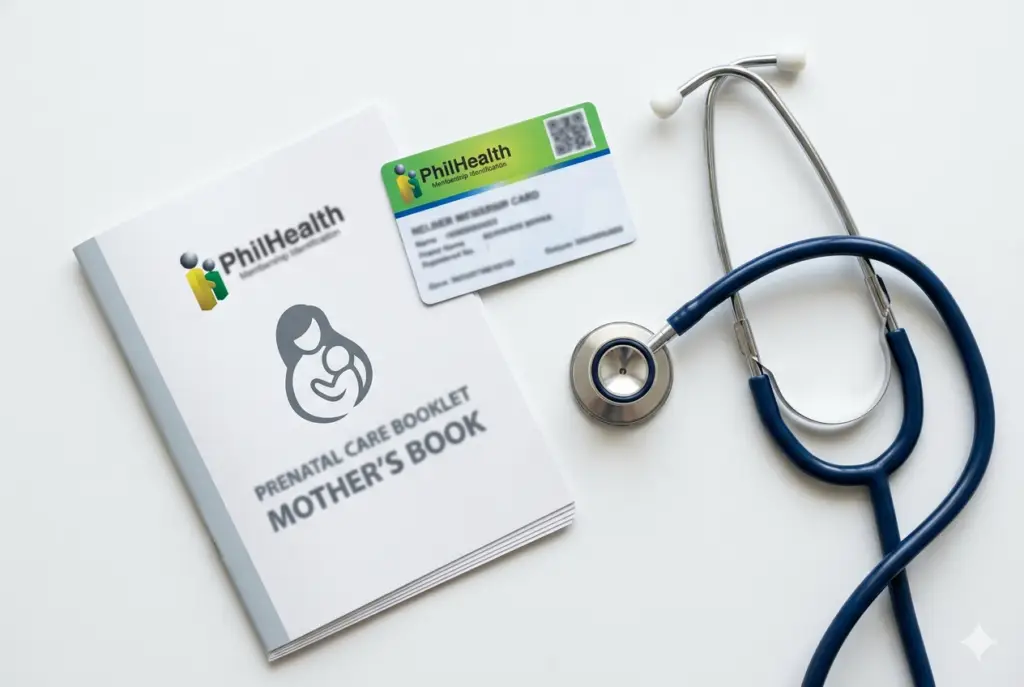
Prenatal and postnatal care are core RHU services. Pregnant women may attend prenatal checkups at the RHU throughout their pregnancy, and the midwife or nurse on duty conducts the assessment, documents findings, and coordinates referrals when risk factors are identified. Postnatal visits are also provided to monitor the health of both mother and newborn in the weeks following delivery. Many RHUs also operate birthing facilities that allow low-risk deliveries to be conducted at the primary care level.
The Expanded Program on Immunization (EPI), managed by the DOH, provides vaccines to children at no cost through RHUs and BHSs. The standard childhood immunization schedule covers tuberculosis (BCG), hepatitis B, diphtheria, tetanus, pertussis, polio, measles, mumps, and rubella, among others. Vaccination services for pregnant women, including tetanus toxoid, are also available. RHUs typically hold immunization days on a scheduled basis, and BHWs assist in mobilizing families to bring children for vaccination.
RHUs provide free family planning counseling and services, including the distribution of contraceptives such as condoms, oral contraceptive pills, and injectables, in line with the Responsible Parenthood and Reproductive Health (RPRH) Law, or RA 10354. Intrauterine devices (IUDs) may also be inserted at RHUs by trained midwives or physicians. Counseling respects the individual's informed choice among the range of available methods.
RHUs implement disease surveillance and control programs for locally prevalent conditions including tuberculosis (TB), dengue, malaria, HIV, and other communicable diseases. They also conduct screening and management for non-communicable diseases (NCDs) such as hypertension and diabetes, particularly for individuals enrolled in YAKAP, which covers 13 outpatient laboratory tests including blood glucose, HbA1c, lipid profile, creatinine, complete blood count, urinalysis, fecalysis, electrocardiogram, and chest X-ray, among others, at no out-of-pocket cost.
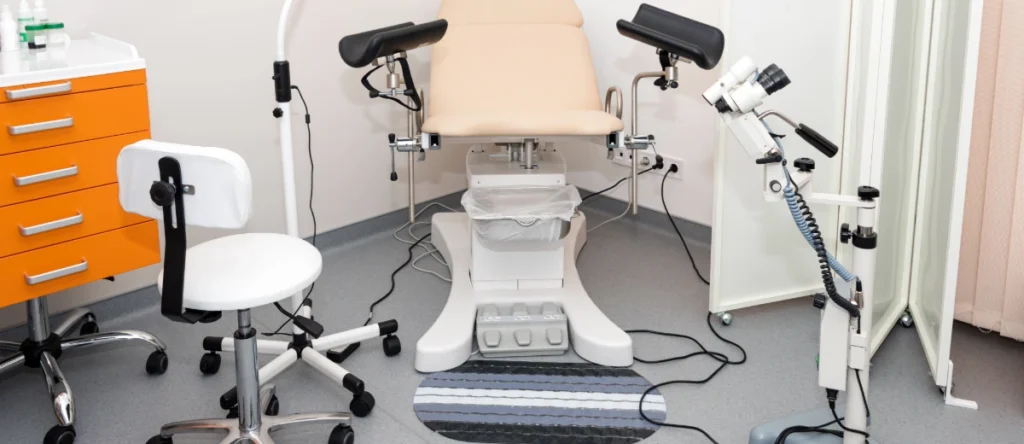
Many RHUs have a dental clinic staffed by a government dentist. Basic dental services, including oral examination, tooth extraction, and dental prophylaxis (cleaning), are provided. Starting December 2024, preventive oral health services were formally integrated into the YAKAP benefit package under PhilHealth Circular 2024-0034, meaning enrolled members are entitled to an oral examination, dental cleaning, fluoride varnish application, and emergency tooth extraction when necessary, at no cost at accredited facilities, marking the first time preventive oral health services have been included in the national health insurance program.
Sanitary inspectors assigned to the RHU are responsible for inspecting food establishments, water sources, and sanitation facilities within the municipality. They issue sanitary permits, conduct food handler health assessments, and respond to environmental health complaints. These services are particularly important in preventing waterborne and foodborne illness outbreaks at the community level.
RHUs equipped with a laboratory offer basic diagnostic tests. Under YAKAP, enrolled members are entitled to 13 outpatient laboratory tests at no cost, ordered by the YAKAP physician based on clinical need. Tests outside this panel may be available at a fee or through referral to a government hospital laboratory.
Every PhilHealth member, whether employed, self-employed, an overseas Filipino worker, a senior citizen, or indigent, is entitled to enroll with a YAKAP clinic, including their local RHU. Enrollment is free and gives you unlimited consultations, 13 laboratory tests, 75 essential medicines worth up to P20,000 per year, 6 cancer screening tests, and preventive dental services, all at no out-of-pocket cost.
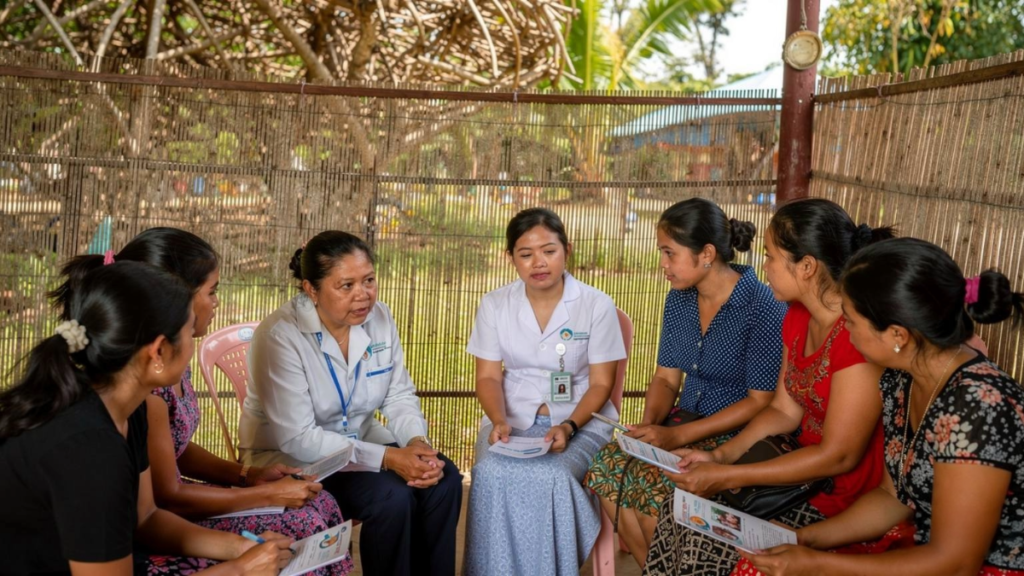
The Barangay Health Station (BHS) is the most local point of contact in the health system. It is a satellite facility of the RHU, typically located within the barangay itself, and it is where most Filipinos have their first encounter with a health service provider. The BHS is manned primarily by Barangay Health Workers (BHWs), who operate under the technical supervision of the RHU midwife and physician.
BHWs are community members who have completed an accredited basic training program and have been formally accredited by the Local Health Board. Their work is governed by RA 7883, the Barangay Health Workers' Benefits and Incentives Act of 1995. Each barangay is required to have at least five accredited BHWs, though in practice the number, training quality, and support given to BHWs vary significantly across municipalities.
BHWs are not physicians, nurses, or midwives, and they do not diagnose or prescribe. Their role is to extend health services into the community, identify people who need care, and connect them to the appropriate facility.
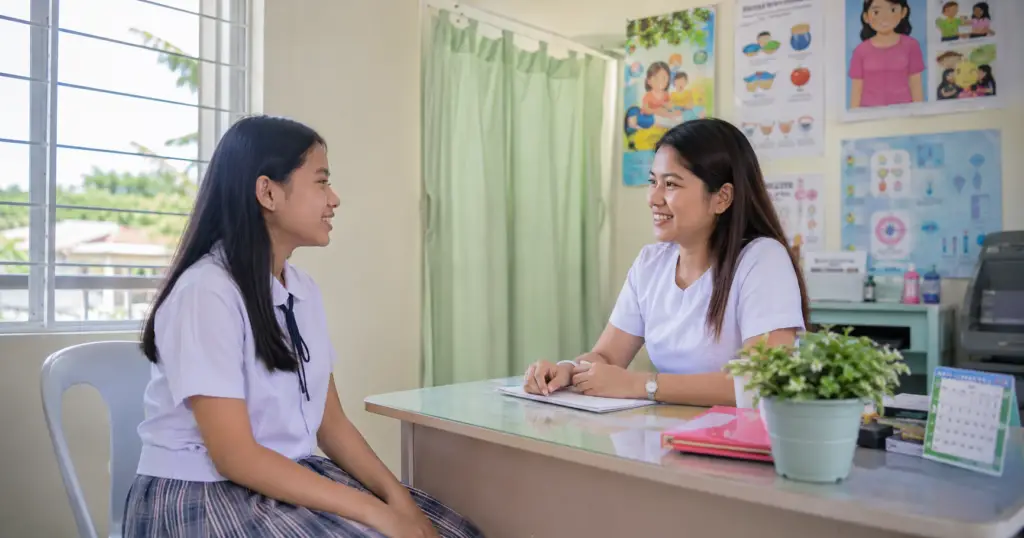
Your BHW is your first point of contact for health concerns at the barangay level. They can help you understand what services are available at the RHU, assist you in accessing PhilHealth benefits, and accompany or refer you to the appropriate facility when your condition requires it.
The Yaman ng Kalusugan Program (YAKAP) is the primary care benefit package under the Universal Health Care Act, effective January 1, 2026, under PhilHealth Circular 2025-0017. It replaced and expanded the previous Konsulta program, bundling consultations, medicines (GAMOT), laboratory tests (LABORATORYO), and cancer screenings (SCREEN) into one comprehensive package. Every PhilHealth member is entitled to enroll with one accredited YAKAP clinic per year. Most RHUs and city health centers are accredited YAKAP clinics. PhilHealth maintains an updated list of all accredited YAKAP clinics on its official website.
Once enrolled, a member is assigned a primary care physician at the YAKAP clinic who serves as their designated doctor for the year. PhilHealth pays the clinic a capitation fee per enrolled member per year to deliver the YAKAP benefit package. There is no per-visit fee and no co-payment for services within the package.
| YAKAP Component | What Is Covered | Limits and Notes |
|---|---|---|
| KONSULTA (Consultations) | Unlimited outpatient consultations with the assigned primary care physician at an accredited YAKAP clinic | No per-visit fee. No co-payment. Must be enrolled with a YAKAP clinic first. |
| LABORATORYO (Laboratory) | 13 outpatient laboratory tests: complete blood count with platelet count, lipid profile, fasting blood sugar, oral glucose tolerance test, glycosylated hemoglobin (HbA1c), creatinine, chest X-ray, sputum microscopy, electrocardiogram, urinalysis, Pap smear, fecalysis, and fecal occult blood test | Tests are ordered by the YAKAP physician based on clinical need. Zero co-payment at public facilities. |
| GAMOT (Medicines) | 75 essential outpatient medicines covering antibiotics, antihypertensives, antidiabetics, anti-asthma drugs, cholesterol-lowering medicines, antithrombotics, and supportive medicines. Examples include amoxicillin, metformin, amlodipine, losartan, salbutamol, simvastatin, and paracetamol. | Up to P20,000 worth of medicines per member per year. Dispensed at accredited GAMOT pharmacies with a prescription from a YAKAP physician. As of April 2026, approximately 1,700 accredited GAMOT providers nationwide. Benefit resets annually. |
| SCREEN (Cancer Screening) | 6 cancer screening tests: mammography (breast), breast ultrasound, low-dose chest CT scan (lung), alpha-fetoprotein or AFP (liver), liver ultrasound, and colonoscopy (colorectal) | Zero co-payment at accredited facilities. Must be referred by YAKAP physician. Covers the four leading cancers in the Philippines: breast, lung, liver, and colorectal. |
| Preventive Oral Health | Oral examination, dental prophylaxis (cleaning), fluoride varnish application, pit and fissure sealants, Class V restoration (limited to 2 teeth per year), and emergency tooth extraction when necessary | Effective December 2024 under PhilHealth Circular 2024-0034. Must be performed at an accredited facility. |
| Optometric Services | Eye examination and refraction for children aged 0 to 15 years old | Effective January 2025 under PhilHealth Circular 2025-0002. |
To enroll in YAKAP at your RHU, you need an active PhilHealth membership. Employed members are automatically enrolled through payroll deductions. Indigent members are enrolled by the government under the UHC Act's universal coverage provision, and LGUs may additionally sponsor the PhilHealth membership of residents who fall outside other categories. If you are unsure of your PhilHealth status, you can check through the PhilHealth online member portal or visit your nearest Local Health Insurance Office (LHIO).
The primary health care system is designed as the entry point to a referral network, not a standalone service. When a patient's condition requires diagnostic equipment, specialist consultation, or inpatient care that is beyond the capacity of the RHU, the RHU physician or midwife issues a referral to the appropriate secondary or tertiary facility.
For PhilHealth members, a referral from a YAKAP clinic to a higher-level facility unlocks additional PhilHealth benefits at that facility. Without a referral, members may still access hospital care, but the benefit coordination between levels of care may not apply. This makes the RHU referral process an important step, not just a bureaucratic formality.
In cases of emergency, patients may proceed directly to the nearest hospital without a referral. The Emergency Medical Assistance Act ensures that no patient in a life-threatening condition may be turned away from any hospital, public or private, due to inability to pay at the point of admission.
Going directly to a hospital for a condition that can be managed at the RHU level does not just add cost; it contributes to hospital congestion that delays care for patients who genuinely need tertiary-level services. The RHU is designed to handle common illnesses, follow-up care, and chronic disease management efficiently and at no cost to you.
The primary health care system as designed and the system as actually experienced by many Filipinos are not always the same. Understaffing, supply shortages, facility conditions, and variations in LGU investment in health mean that the services described in this article are not uniformly available across all RHUs and BHSs in the country.
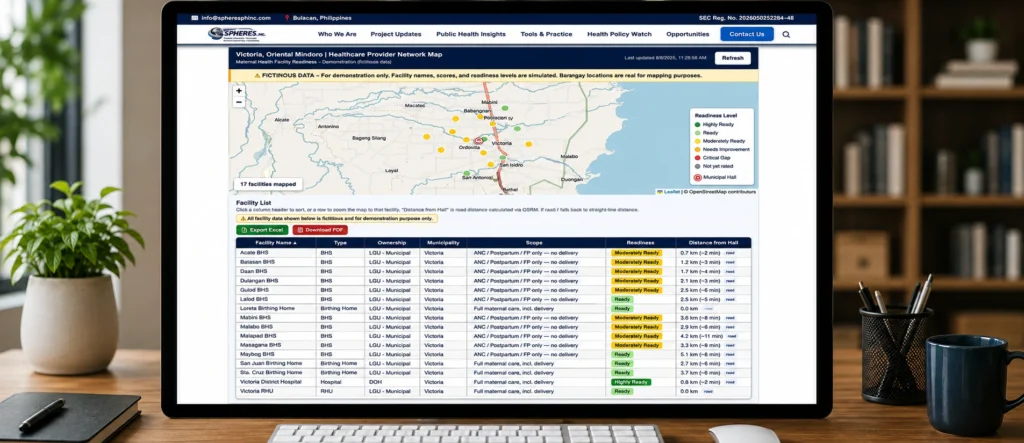
A 2026 opinion piece published by Rappler noted that achieving the UHC goal requires every Filipino to have a reachable barangay health station within a 30-minute travel time, and that many BHSs remain underfunded and understaffed, particularly in geographically isolated and disadvantaged areas. A peer-reviewed study published in 2025 in Acta Medica Philippina documented that BHWs in many localities operate without adequate training, compensation, or support, and that the implementation of RA 7883's benefit and incentive provisions is inconsistent across LGUs.
If services listed in this article are not available at your local BHS or RHU, these are practical steps you can take.
Super Health Centers are an upgraded version of the RHU being rolled out under the UHC program. These facilities include birthing rooms, isolation areas, pharmacies, laboratory units, X-ray facilities, and ambulatory surgical units, offering a broader range of services than a standard RHU within the primary care level.